Integrative Dentistry: A Complete Guide to Whole-Body Oral Care

Integrative Dentistry: A Complete Guide to Whole-Body Oral Care

Introduction: Beyond the Smile

When most people think of dentistry, they picture routine check-ups, fillings, and the occasional whitening treatment. But your oral health is deeply connected to your overall well-being, and the mouth often serves as a mirror for what’s happening in the rest of your body. Integrative dentistry embraces this connection, offering dental care that considers not just teeth and gums, but your entire health.

At Casuarina Dental, we see the mouth as part of a larger, complex system. Our approach blends advanced dentistry with an understanding of nutrition, lifestyle, and systemic health — delivering care that’s both precise and holistic.


What Is Integrative Dentistry?

Integrative dentistry, sometimes called biological or functional dentistry, is an approach that goes beyond treating symptoms. Instead of focusing only on isolated dental issues, it examines how oral health impacts — and is impacted by — the rest of the body.

For example:

  • Gum disease can contribute to heart problems.
  • Jaw misalignment may trigger chronic headaches or sleep issues.
  • Oral bacteria imbalance can affect digestion and immunity.

By understanding these links, integrative dentists aim to prevent problems before they start, address underlying causes, and create treatment plans tailored to your unique health profile.


The Core Principles of Integrative Dentistry

  1. Prevention First – The priority is to stop issues before they develop, through regular assessments, oral hygiene education, and lifestyle guidance.
  2. Safe Materials – Using biocompatible dental materials that minimise the risk of allergic reactions or systemic impact.
  3. Whole-Body Connection – Recognising and addressing the relationship between oral health and other health conditions.
  4. Minimally Invasive Techniques – Preserving as much of your natural tooth structure as possible.
  5. Patient Education – Empowering you with the knowledge to take charge of your own oral and general health.

Key Treatments and Services in Integrative Dentistry

At Casuarina Dental, our integrative services include:

  • Holistic Comprehensive Examination & Oral Disinfection – A thorough oral health check combined with professional cleaning that reduces harmful bacteria without compromising beneficial microbes.
  • Safe Mercury Amalgam Removal – Using protective protocols to safely remove old amalgam fillings and replace them with biocompatible alternatives.
  • Oral Microbiome Testing – Analysing your oral bacteria profile to detect imbalances linked to gum disease, decay, or systemic illness.
  • Nutritional and Lifestyle Guidance – Supporting healing and prevention through diet and healthy habits.

Why Integrative Dentistry Matters for Australians

Australians are becoming more aware of the link between oral health and general wellness. The Australian Dental Association (ADA) encourages preventive care and acknowledges that many systemic diseases can be detected in the mouth.

In regions with active lifestyles and access to fresh, nutrient-rich foods, like here in Casuarina, integrative dentistry works in harmony with community health values. It’s not just about fixing problems — it’s about keeping you healthier for longer.


Integrative Dentistry vs. Traditional Dentistry

While both traditional and integrative dentists aim to keep your teeth and gums healthy, the main differences are:

Traditional DentistryIntegrative Dentistry
Focuses on treating symptomsFocuses on causes and prevention
Limited discussion of lifestyle impactConsiders nutrition, habits, and systemic health
Standard materials usedBiocompatible, patient-specific material choices
Often reactive careProactive, preventive care

Case Example: Jaw Pain Linked to Sleep Apnoea

A patient came in with persistent jaw discomfort and headaches. Traditional care might have treated the pain with a night guard. Our integrative approach investigated further — and uncovered undiagnosed obstructive sleep apnoea. By addressing both the airway and jaw alignment, the patient’s quality of life improved dramatically.


The Role of Patient Partnership

In integrative dentistry, patients aren’t passive recipients of care. You are an active partner. Your input about lifestyle, nutrition, and overall health is crucial for accurate diagnosis and personalised treatment.

We encourage questions, open discussion, and long-term health planning — because lasting results require teamwork.


Final Thoughts: A Healthier Future Starts Here

Integrative dentistry is more than a trend — it’s the future of oral care in Australia. By treating the mouth as part of the whole body, we can uncover hidden health issues, prevent chronic conditions, and support your well-being for years to come.

At Casuarina Dental, our mission is simple: to give you a healthy smile that reflects a healthy life. Whether you’re coming in for a routine exam or exploring long-term solutions, our integrative approach ensures you receive care that’s safe, personalised, and effective.
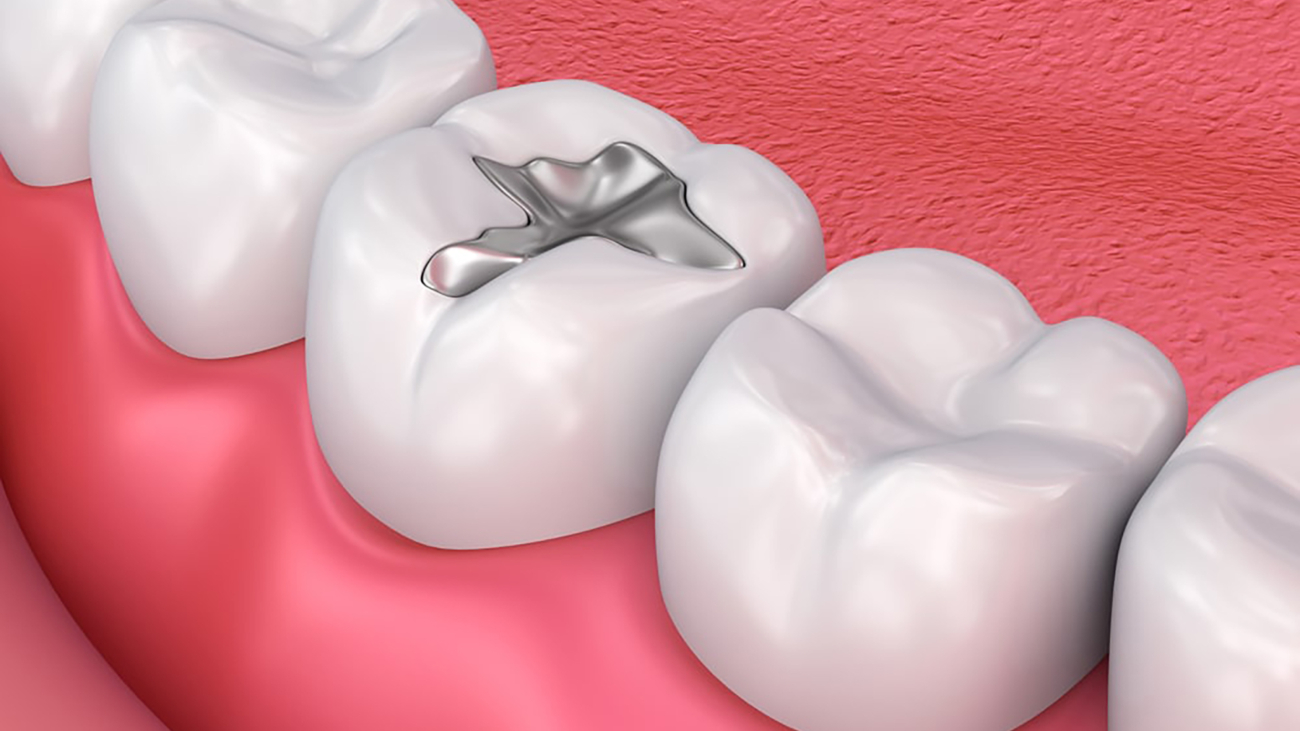
CASUARINA DENTAL FOLLOWS IAOMT/SMART MERCURY AMALGAM REMOVAL

CASUARINA DENTAL FOLLOWS IAOMT/SMART MERCURY AMALGAM REMOVAL

Mercury Amalgam Removal

Casuarina Dental provides mercury amalgam removal services, using the approved IAOMT/SMART removal technique protocol. Many people are concerned about the possible effects of mercury fillings on their health. If you’re worried about the effect mercury fillings might be having on your well-being, or simply wish to swap mercury fillings for fillings made of a modern, non-toxic with your own bio-compatibility in mind, give us a call !!! Call on 02 6678 2220.

Why you should get your mercury amalgam fillings removed?

Traditionally, dental fillings were made of amalgam – a mixture of mercury and an alloy of copper, tin and silver. It was widely used because the combination of mercury and alloy is incredibly durable and amalgam is very cheap to make. Although it may seem to be the perfect choice for fillings, over the years studies have shown that mercury amalgam fillings may contribute to a wide range of health problems.

As you eat or drink, small particles of amalgam are removed from your filling due to wear and tear. In addition, warm drinks may also accelerate the release of mercury. Research suggests that somewhere between and 20mg/day of mercury each day is released from amalgam fillings and ingested.

Mercury is well-known as a toxic metal, which can be fatal if ingested in large enough amounts. Whilst the amount of mercury your body absorbs isn’t enough to kill you outright, it can cause a wide range of health problems in susceptible individuals.

In addition, once the mercury is in your body, (it may take weeks or months to leave). This means that potentially you may have quite large levels of mercury circulating in your system, leading to a range of health difficulties.

Studies show that mercury can cause a range of symptoms and conditions. These include:

  • Chronic fatigue
  • Asthma
  • Headaches
  • Neurological symptoms
  • An increased risk of Alzheimer’s disease (dementia)
  • Tremors
  • Mood problems


Whilst not everyone who has mercury amalgam fillings will experience these problems, those with an intolerance to mercury may well find that their health is poor. If you suffer from any of the above problems and have mercury amalgam fillings, removing the fillings may lead to a reduction in symptom severity and frequency.

The main benefits of mercury filling removal are:

  • The peace of mind which comes from knowing that there’s no possibility your fillings are leaking toxic mercury into your body.
  • Potentially a reduction in troubling symptoms once the source of the mercury contaminating your body has been removed. It will usually take a few months to see a noticeable difference, as it takes a while for the mercury to leave your body. Luckily, there are a number of detoxification steps you can take to accelerate the removal of mercury from the body.
  • Potentially lessening the chance of developing a serious disease later on in life, as the cumulative leakage of mercury into your body will have been halted.


To find out more or to book your mercury amalgam removal consultation, call us at Casuarina Dental on 02 6678 2220 today.

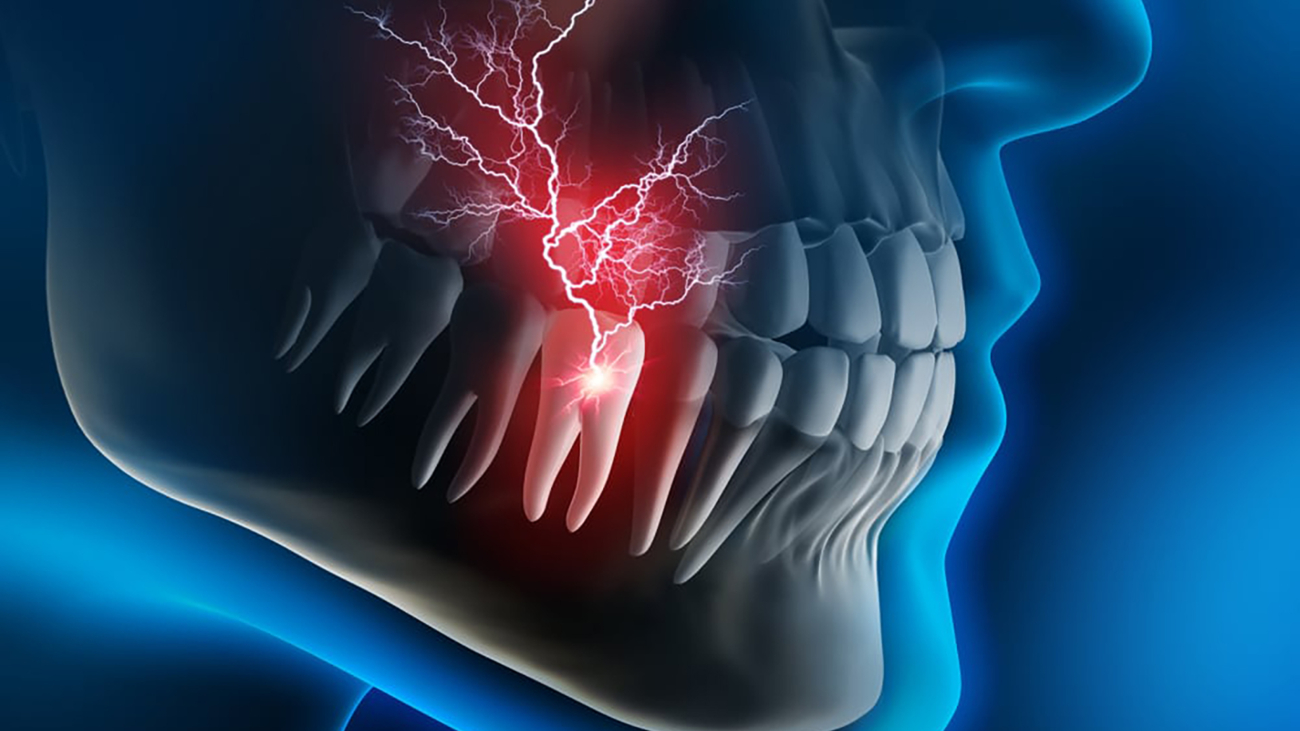
Heavy dental pain - 3D illustration

EMERGENCY DENTISTRY – IS MY SITUATION AN EMERGENCY?

Is my situation an emergency?

If you’re unsure whether your dental situation is an emergency or not, you’re not alone. Many people will put off going to see the dentist when they have a sore tooth as they either don’t want to cause a fuss or they’re not sure whether their situation counts as an emergency. The general rule of thumb is that if your teeth or mouth are causing you pain, swelling, or significant discomfort, it is considered an emergency and you should book an emergency dentistry appointment as soon as you are able to.

What to do if you’re experiencing a dental emergency

If you’re experiencing a dental emergency, get in touch (https://www.casuarinadental.com.au/contact) with your dentist immediately. Not only will they book you in for an emergency appointment, but they will also be able to advise you about what to do while you’re waiting for your appointment. This may include:

  • How to safely and temporarily relieve tooth or mouth pain
  • How to care for cracked or broken teeth to ensure they don’t get worse before the appointment
  • What foods or liquids you may need to avoid eating until your teeth are assessed and repaired in your emergency appointment
  • What to do if you have lost a filling


Can’t get to us straight away?

If you can’t get in to see us straight away, it’s important that you take care of yourself until you are able to make it into the surgery for your emergency dental appointment.

If the pain is excruciating and you’re experiencing symptoms such as severe bleeding or infection, you should consider heading into the emergency room and getting some help. In general, a dental emergency that requires immediate attention to stop bleeding or to prevent a serious infection from impacting you is considered a medical emergency.

Have you chipped a tooth or lost a filling?

Chipped or cracked teeth or lost fillings can lead to a build-up of food debris in the impacted area. This food accumulation can lead to decay or deterioration of your impacted tooth if you don’t get it repaired by a dental surgeon as soon as possible. Dental decay can lead to sensitivity to hot or cold food, extreme pain when eating or drinking, or constant toothaches, even if you’re not eating anything.

If you have chipped a tooth or lost a filling, it’s important that you book in to see your emergency dentist quickly. A swift appointment can help to avoid further dental issues down the road that can lead to tooth loss, root canals, and incredibly expensive dental work to try and repair the damage of long-term decay.

Are you experiencing facial swelling or extreme pain?

Facial swelling or extreme pain in your mouth is often a sign that you may have a serious underlying issue with your teeth. There are a variety of dental issues that can cause facial swelling, including:

  • Gingivitis or gum disease
  • Some forms of oral cancer
  • Blocked salivary glands
  • Impacted tooth
  • Wisdom teeth
  • Abscess
  • Vitamin C deficiency
  • Some medications
  • Infected tooth


Book An Emergency Dentist ASAP

If you’re experiencing facial swelling, you should book an emergency appointment with your dentist to ascertain what is causing it and help rule out any serious reasons. The sooner you know what the issue is, the sooner you can get it sorted and begin to see the swelling reduce.

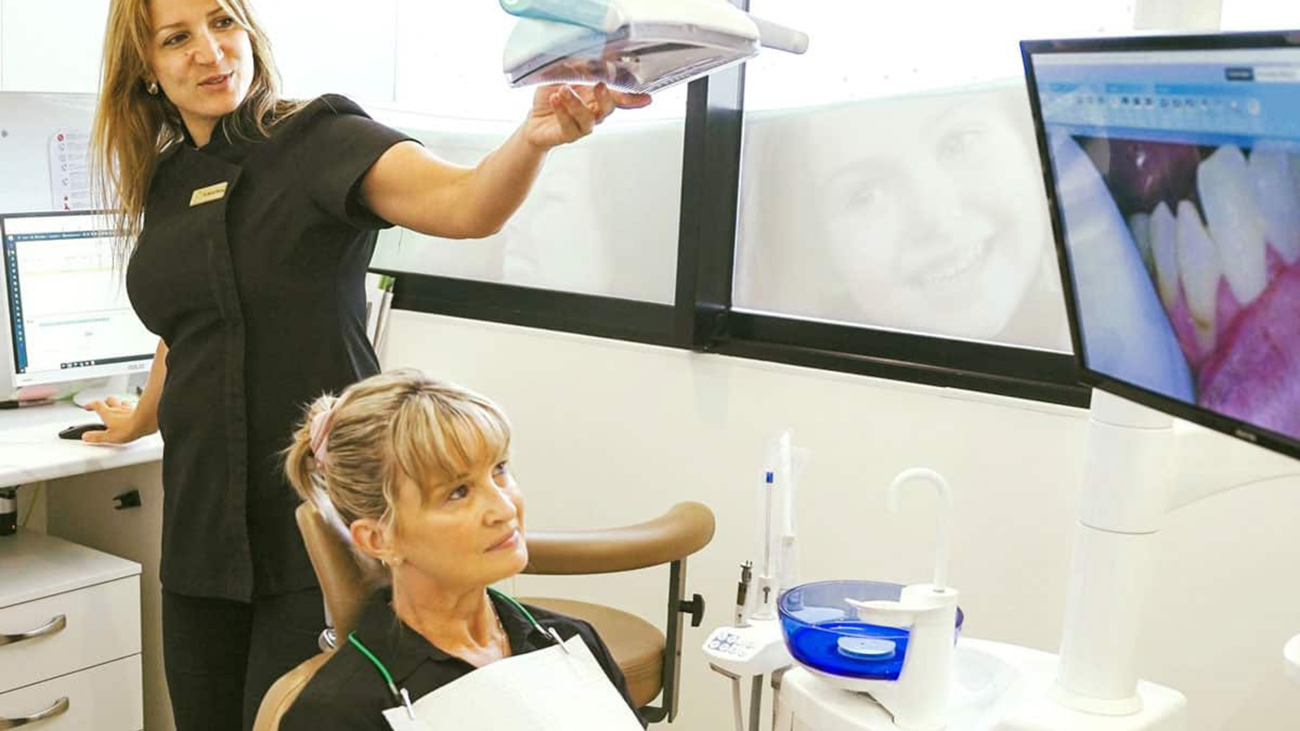
dentist-showing-an-images-to-the-patient

The Risks Of DIY Dentistry

DIY dental treatments have become increasingly popular due to their accessibility and the perception of saving time and money. Many people attempt to address dental issues independently, from at-home whitening kits to makeshift remedies for tooth pain. However, these practices can lead to serious risks. Without proper tools, expertise, or knowledge, DIY dentistry may damage teeth and gums, creating complications that require professional intervention. In this blog post, we’ll explore the risks of DIY dental care and highlight why professional treatment is a safer approach to maintaining oral health.

The Hidden DIY Dentistry Dangers

DIY dental treatments may seem simple and cost-effective but have significant hidden risks.

Typical home dental treatment risks can include:

  • Improper Tools: Using household items or unregulated kits for teeth whitening or removing plaque can damage tooth enamel and gums.
  • Infection Risk: Non-sterile instruments can introduce bacteria, leading to oral infections.
  • Lack of Training: Dental work requires precision. DIY methods can worsen problems without proper knowledge, such as misaligning teeth during at-home braces adjustments.

In attempting to solve one issue, DIY treatments often create new, severe problems that could have been avoided with professional care.

Why Professional Expertise Matters in Dental Care

Dentists undergo years of training to safely address oral health issues, a level of expertise that DIY methods can never replicate.

  • Early Detection: Dentists use tools like X-rays to identify problems that aren’t visible to the naked eye.
  • Techniques: Procedures such as root canals or fillings require precise tools and methods.
  • Personalised Care: Dentists tailor their treatments to your unique oral health needs, helping ensure long-term solutions.

Professional care treats the issue at hand and prevents it from escalating into more complex or painful conditions.

Long-Term Costs of DIY Mistakes

The initial appeal of saving money with DIY dental methods often results in greater expenses.

For instance:

  • An improperly placed filling can lead to decay, requiring a root canal or even extraction.
  • At-home teeth straightening kits may cause jaw misalignment, necessitating expensive orthodontic corrections.
  • Ignored or mishandled infections can lead to hospitalisation and costly medical treatments.

Investing in professional dental care is far more economical than dealing with the compounded costs of fixing DIY mistakes.

Risks of Infections from DIY Dental Procedures

One of the most dangerous consequences of DIY dentistry is the high risk of infection.

  • Oral Infections: Using non-sterile tools or mishandling dental work can result in painful abscesses and gum infections.
  • Systemic Health Issues: Bacteria from oral infections can spread to other parts of the body, potentially leading to life-threatening conditions like sepsis.

Professional dentists follow strict hygiene protocols, significantly reducing the risk of such complications.

Safer Alternatives to DIY Dentistry

For those concerned about affordability or convenience, there are safer, cost-effective ways to care for your teeth without resorting to DIY methods.

  • Preventive Care: Regular check-ups and cleanings can prevent many issues from arising in the first place.
  • Payment Plans: Many dental clinics offer payment options to make treatments more accessible.
  • Public Dental Services: Explore government or community-based dental programs for affordable care.
  • At-Home Maintenance: Stick to dentist-recommended products for brushing, flossing, and oral hygiene.

Consulting a professional can help manage your dental health safely while considering your budget.

Avoid Dental Self-Care Hazards with Our Help

While DIY solutions might seem like a quick fix for dental issues, the risks far outweigh the benefits. Self-administered dentistry can do more harm than good, from infections to costly mistakes. Professional dental care ensures safe, effective, and long-lasting results.

At Casuarina Dental, we focus on delivering comprehensive dental services. Whether you need a routine check-up or require specialised dental treatments, our team is here to help. Contact us today!

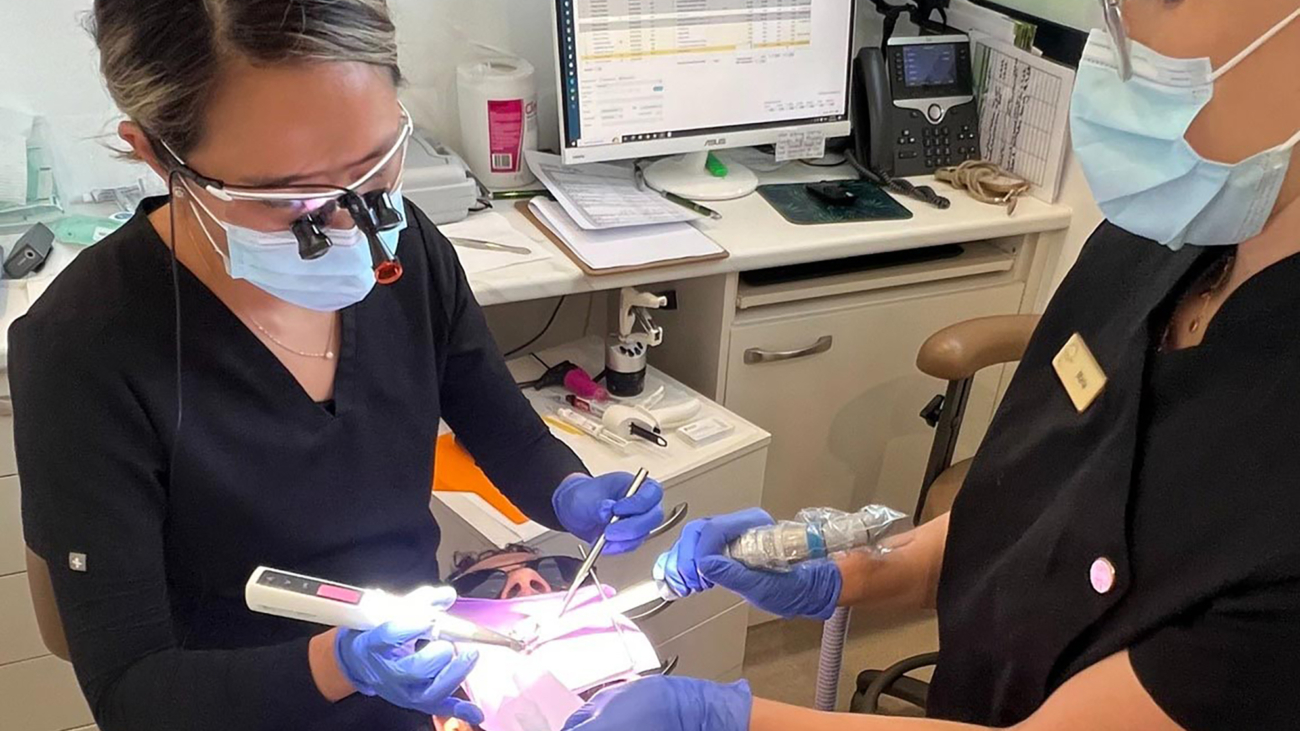
emergency-dentist-taking-care-of-a-patient

10 Warning Signs That You Need To See A Dentist ASAP

Maintaining oral health goes beyond a daily brush and floss. Sometimes, subtle issues can quickly develop into serious concerns if left unattended. Being aware of potential dental emergency signs can motivate you to seek professional help before complications escalate. Below are ten common indicators that suggest it might be time to book a dentist appointment and consider urgent dental care.

1. Persistent Toothache

A lingering toothache that doesn’t subside with at-home care or pain relief measures can signal an underlying issue such as tooth decay or an infection. Mild discomfort might be manageable for a short time, but ongoing pain usually indicates a deeper problem needing professional evaluation.

2. Swollen or Bleeding Gums

If your gums bleed frequently—whether during brushing, flossing, or without any clear reason—this may point to gum inflammation. Swelling, redness, or tenderness can also indicate gum-related concerns that benefit from timely treatment. Early intervention often helps stop gum problems from progressing.

3. Extreme Tooth Sensitivity

Noticing a twinge of pain when you sip something hot, cold, or sweet might be a sign of enamel erosion or an exposed tooth root. Occasionally, sensitive teeth are manageable with specific kinds of toothpaste, but sensitivity that worsens or persists may require professional advice to determine any necessary repairs or treatments.

4. Loose or Shifting Teeth

Adult teeth generally don’t move around once they’re set, so any tooth mobility may signal an issue with the supporting bone or gum tissue. Ignoring looseness can lead to more extensive oral health complications, making it important to have this symptom evaluated promptly.

5. Chronic Bad Breath or Unpleasant Taste

Occasional bad breath is normal, but persistent halitosis or a recurring unpleasant taste can suggest gum conditions, decay, or other hidden issues in your mouth. If these problems don’t improve after adjusting your oral hygiene routine, a professional assessment can identify whether there’s a deeper cause.

6. Jaw Pain or Clicking

Locking or clicking sounds in your jaw, combined with pain or limited movement, might stem from various concerns, such as temporomandibular joint (TMJ) stress or misaligned teeth. Consulting a dental professional can help pinpoint the source of jaw discomfort and suggest management techniques.

7. Mouth Sores That Won’t Heal

Most minor mouth sores heal within a couple of weeks. If you have a sore that lingers, grows, or becomes painful, seek a professional opinion. While many mouth sores are benign, persistent lesions deserve careful evaluation.

8. Cracked or Fractured Teeth

Teeth can chip or crack due to biting on hard objects, injuries, or natural wear. Even hairline fractures can expose the tooth’s inner layers and introduce the risk of infection. Seeking professional help for cracked or fractured teeth can lessen the likelihood of further damage.

9. Pus or Swelling Around a Tooth

An abscess often manifests as swelling, pus, or throbbing pain. Because it can indicate a significant infection, prompt attention is essential. Delaying a diagnosis can allow infection to spread, leading to more serious health concerns.

10. Changes in Tooth Appearance or Colour

Noticing white spots, dark staining, or unusual discolouration can be an early indication of decay. While some staining is cosmetic, certain colour changes may point to deeper problems within the tooth structure. Early detection can help prevent the need for more invasive procedures later.

Address Your Symptoms Early—Schedule a Visit Now

At Casuarina Dental, we’re here to guide you when any of these warning signs appear. Our team can assess the severity of your concerns, determine whether you need urgent dental care, and organise a dentist appointment that suits your schedule. By addressing potential issues early, you can help protect your oral health, reduce the risk of complications, and maintain a comfortable, confident smile.

Contact us to learn more about our services, and let us help you navigate any dental emergency signs with compassionate care and professional guidance.