CASUARINA DENTAL FOLLOWS IAOMT/SMART MERCURY AMALGAM REMOVAL

CASUARINA DENTAL FOLLOWS IAOMT/SMART MERCURY AMALGAM REMOVAL

Mercury Amalgam Removal

Casuarina Dental provides mercury amalgam removal services, using the approved IAOMT/SMART removal technique protocol. Many people are concerned about the possible effects of mercury fillings on their health. If you’re worried about the effect mercury fillings might be having on your well-being, or simply wish to swap mercury fillings for fillings made of a modern, non-toxic with your own bio-compatibility in mind, give us a call !!! Call on 02 6678 2220.

Why you should get your mercury amalgam fillings removed?

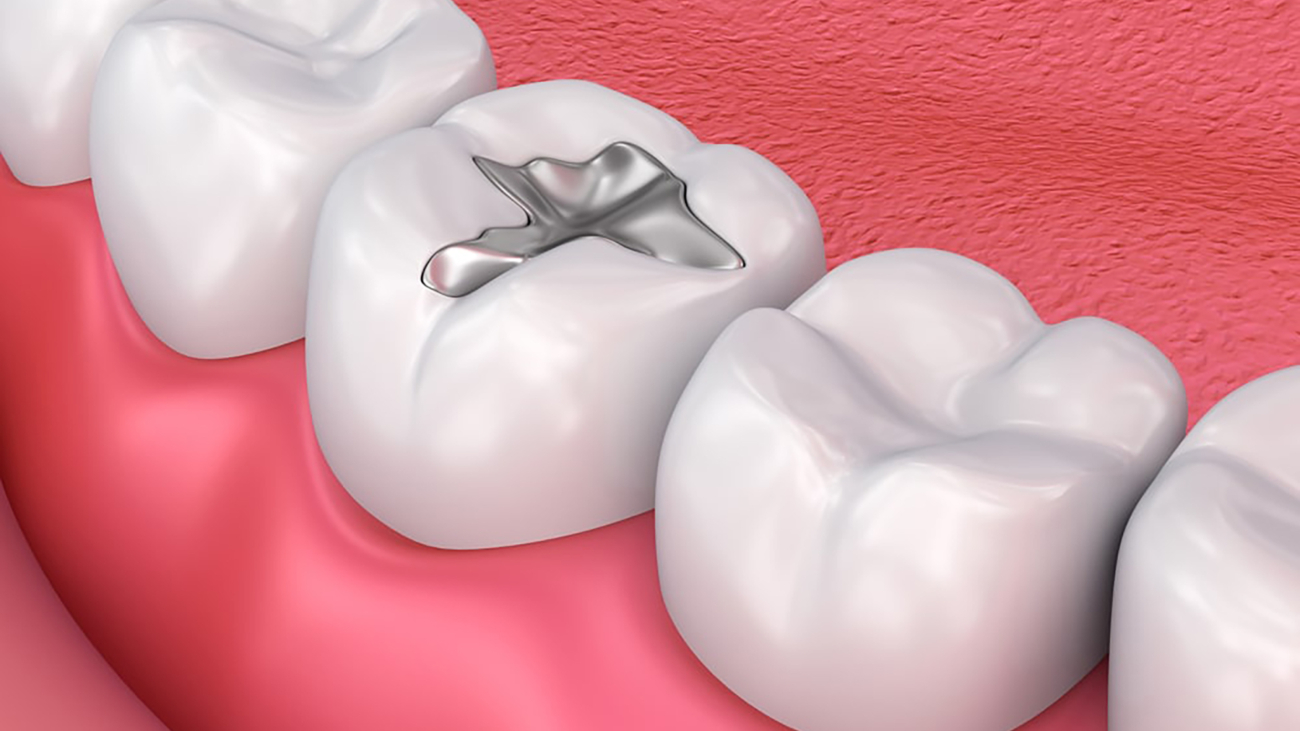
Traditionally, dental fillings were made of amalgam – a mixture of mercury and an alloy of copper, tin and silver. It was widely used because the combination of mercury and alloy is incredibly durable and amalgam is very cheap to make. Although it may seem to be the perfect choice for fillings, over the years studies have shown that mercury amalgam fillings may contribute to a wide range of health problems.

As you eat or drink, small particles of amalgam are removed from your filling due to wear and tear. In addition, warm drinks may also accelerate the release of mercury. Research suggests that somewhere between and 20mg/day of mercury each day is released from amalgam fillings and ingested.

Mercury is well-known as a toxic metal, which can be fatal if ingested in large enough amounts. Whilst the amount of mercury your body absorbs isn’t enough to kill you outright, it can cause a wide range of health problems in susceptible individuals.

In addition, once the mercury is in your body, (it may take weeks or months to leave). This means that potentially you may have quite large levels of mercury circulating in your system, leading to a range of health difficulties.

Studies show that mercury can cause a range of symptoms and conditions. These include:

  • Chronic fatigue
  • Asthma
  • Headaches
  • Neurological symptoms
  • An increased risk of Alzheimer’s disease (dementia)
  • Tremors
  • Mood problems


Whilst not everyone who has mercury amalgam fillings will experience these problems, those with an intolerance to mercury may well find that their health is poor. If you suffer from any of the above problems and have mercury amalgam fillings, removing the fillings may lead to a reduction in symptom severity and frequency.

The main benefits of mercury filling removal are:

  • The peace of mind which comes from knowing that there’s no possibility your fillings are leaking toxic mercury into your body.
  • Potentially a reduction in troubling symptoms once the source of the mercury contaminating your body has been removed. It will usually take a few months to see a noticeable difference, as it takes a while for the mercury to leave your body. Luckily, there are a number of detoxification steps you can take to accelerate the removal of mercury from the body.
  • Potentially lessening the chance of developing a serious disease later on in life, as the cumulative leakage of mercury into your body will have been halted.


To find out more or to book your mercury amalgam removal consultation, call us at Casuarina Dental on 02 6678 2220 today.
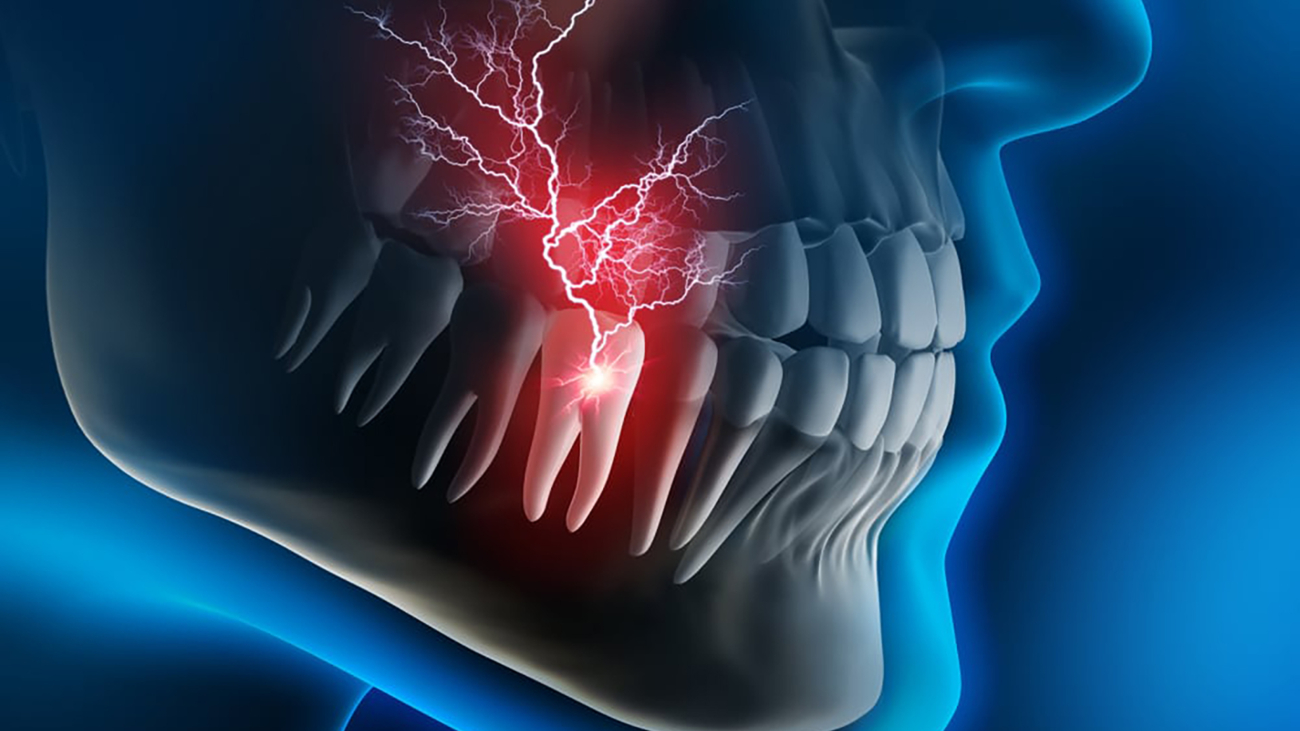
Heavy dental pain - 3D illustration

EMERGENCY DENTISTRY – IS MY SITUATION AN EMERGENCY?

Is my situation an emergency?

If you’re unsure whether your dental situation is an emergency or not, you’re not alone. Many people will put off going to see the dentist when they have a sore tooth as they either don’t want to cause a fuss or they’re not sure whether their situation counts as an emergency. The general rule of thumb is that if your teeth or mouth are causing you pain, swelling, or significant discomfort, it is considered an emergency and you should book an emergency dentistry appointment as soon as you are able to.

What to do if you’re experiencing a dental emergency

If you’re experiencing a dental emergency, get in touch (https://www.casuarinadental.com.au/contact) with your dentist immediately. Not only will they book you in for an emergency appointment, but they will also be able to advise you about what to do while you’re waiting for your appointment. This may include:

  • How to safely and temporarily relieve tooth or mouth pain
  • How to care for cracked or broken teeth to ensure they don’t get worse before the appointment
  • What foods or liquids you may need to avoid eating until your teeth are assessed and repaired in your emergency appointment
  • What to do if you have lost a filling


Can’t get to us straight away?

If you can’t get in to see us straight away, it’s important that you take care of yourself until you are able to make it into the surgery for your emergency dental appointment.

If the pain is excruciating and you’re experiencing symptoms such as severe bleeding or infection, you should consider heading into the emergency room and getting some help. In general, a dental emergency that requires immediate attention to stop bleeding or to prevent a serious infection from impacting you is considered a medical emergency.

Have you chipped a tooth or lost a filling?

Chipped or cracked teeth or lost fillings can lead to a build-up of food debris in the impacted area. This food accumulation can lead to decay or deterioration of your impacted tooth if you don’t get it repaired by a dental surgeon as soon as possible. Dental decay can lead to sensitivity to hot or cold food, extreme pain when eating or drinking, or constant toothaches, even if you’re not eating anything.

If you have chipped a tooth or lost a filling, it’s important that you book in to see your emergency dentist quickly. A swift appointment can help to avoid further dental issues down the road that can lead to tooth loss, root canals, and incredibly expensive dental work to try and repair the damage of long-term decay.

Are you experiencing facial swelling or extreme pain?

Facial swelling or extreme pain in your mouth is often a sign that you may have a serious underlying issue with your teeth. There are a variety of dental issues that can cause facial swelling, including:

  • Gingivitis or gum disease
  • Some forms of oral cancer
  • Blocked salivary glands
  • Impacted tooth
  • Wisdom teeth
  • Abscess
  • Vitamin C deficiency
  • Some medications
  • Infected tooth


Book An Emergency Dentist ASAP

If you’re experiencing facial swelling, you should book an emergency appointment with your dentist to ascertain what is causing it and help rule out any serious reasons. The sooner you know what the issue is, the sooner you can get it sorted and begin to see the swelling reduce.

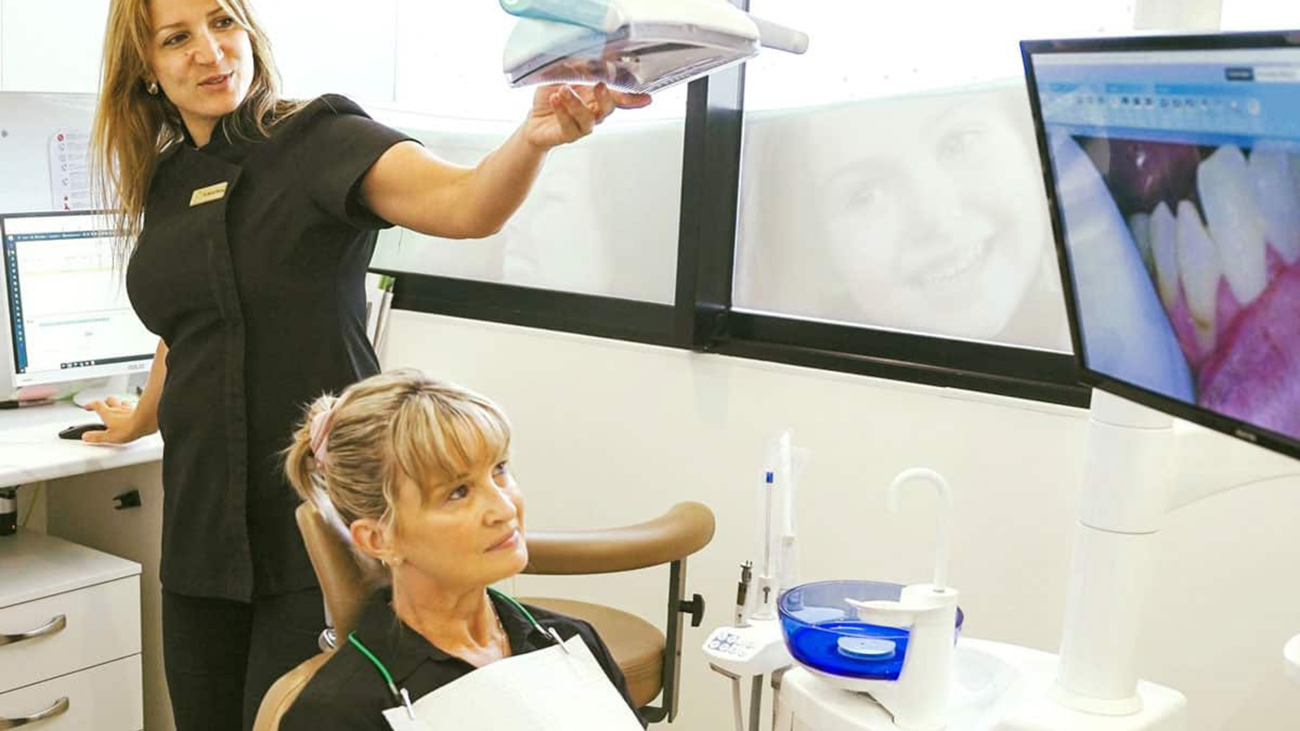
dentist-showing-an-images-to-the-patient

The Risks Of DIY Dentistry

DIY dental treatments have become increasingly popular due to their accessibility and the perception of saving time and money. Many people attempt to address dental issues independently, from at-home whitening kits to makeshift remedies for tooth pain. However, these practices can lead to serious risks. Without proper tools, expertise, or knowledge, DIY dentistry may damage teeth and gums, creating complications that require professional intervention. In this blog post, we’ll explore the risks of DIY dental care and highlight why professional treatment is a safer approach to maintaining oral health.

The Hidden DIY Dentistry Dangers

DIY dental treatments may seem simple and cost-effective but have significant hidden risks.

Typical home dental treatment risks can include:

  • Improper Tools: Using household items or unregulated kits for teeth whitening or removing plaque can damage tooth enamel and gums.
  • Infection Risk: Non-sterile instruments can introduce bacteria, leading to oral infections.
  • Lack of Training: Dental work requires precision. DIY methods can worsen problems without proper knowledge, such as misaligning teeth during at-home braces adjustments.

In attempting to solve one issue, DIY treatments often create new, severe problems that could have been avoided with professional care.

Why Professional Expertise Matters in Dental Care

Dentists undergo years of training to safely address oral health issues, a level of expertise that DIY methods can never replicate.

  • Early Detection: Dentists use tools like X-rays to identify problems that aren’t visible to the naked eye.
  • Techniques: Procedures such as root canals or fillings require precise tools and methods.
  • Personalised Care: Dentists tailor their treatments to your unique oral health needs, helping ensure long-term solutions.

Professional care treats the issue at hand and prevents it from escalating into more complex or painful conditions.

Long-Term Costs of DIY Mistakes

The initial appeal of saving money with DIY dental methods often results in greater expenses.

For instance:

  • An improperly placed filling can lead to decay, requiring a root canal or even extraction.
  • At-home teeth straightening kits may cause jaw misalignment, necessitating expensive orthodontic corrections.
  • Ignored or mishandled infections can lead to hospitalisation and costly medical treatments.

Investing in professional dental care is far more economical than dealing with the compounded costs of fixing DIY mistakes.

Risks of Infections from DIY Dental Procedures

One of the most dangerous consequences of DIY dentistry is the high risk of infection.

  • Oral Infections: Using non-sterile tools or mishandling dental work can result in painful abscesses and gum infections.
  • Systemic Health Issues: Bacteria from oral infections can spread to other parts of the body, potentially leading to life-threatening conditions like sepsis.

Professional dentists follow strict hygiene protocols, significantly reducing the risk of such complications.

Safer Alternatives to DIY Dentistry

For those concerned about affordability or convenience, there are safer, cost-effective ways to care for your teeth without resorting to DIY methods.

  • Preventive Care: Regular check-ups and cleanings can prevent many issues from arising in the first place.
  • Payment Plans: Many dental clinics offer payment options to make treatments more accessible.
  • Public Dental Services: Explore government or community-based dental programs for affordable care.
  • At-Home Maintenance: Stick to dentist-recommended products for brushing, flossing, and oral hygiene.

Consulting a professional can help manage your dental health safely while considering your budget.

Avoid Dental Self-Care Hazards with Our Help

While DIY solutions might seem like a quick fix for dental issues, the risks far outweigh the benefits. Self-administered dentistry can do more harm than good, from infections to costly mistakes. Professional dental care ensures safe, effective, and long-lasting results.

At Casuarina Dental, we focus on delivering comprehensive dental services. Whether you need a routine check-up or require specialised dental treatments, our team is here to help. Contact us today!